Physical Address
304 North Cardinal St.
Dorchester Center, MA 02124
Physical Address
304 North Cardinal St.
Dorchester Center, MA 02124

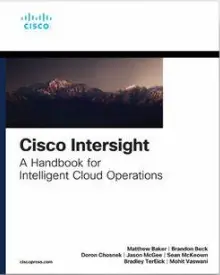
Cisco Intersight is a comprehensive cloud operations platform designed to streamline the management of IT infrastructure across various environments, including on-premises, edge, and hybrid cloud setups. It operates as a software-as-a-service (SaaS) solution, which means it is delivered over the internet and receives regular updates to enhance its capabilities. In this blog post we will be exploring features, benefits, capabilities of Cisco intersight in the cloud world.
Table of Contents

Cisco Intersight is utilized for a variety of purposes focused on enhancing IT operations and infrastructure management. Intersight provides tools for managing the entire lifecycle of IT infrastructure, including deployment, configuration, monitoring, and maintenance of physical and virtual resources. This includes Cisco Unified Computing System (UCS), hyperconverged infrastructure, and third-party systems.
The platform automates routine tasks such as server provisioning and firmware updates, reducing manual effort and minimizing the risk of human error. Cisco Intersight allows organizations to monitor and control power consumption across their infrastructure, which is crucial for optimizing energy efficiency and reducing operational costs. The platform is designed to manage both on-premises and cloud-based resources seamlessly, making it suitable for organizations operating in hybrid IT environments.
Cisco Intersight offers several significant benefits for organizations looking to streamline their IT operations and improve infrastructure management. Here are the main advantages:
Cisco Intersight functions as a cloud-based IT operations platform designed to manage and optimize infrastructure throughout its lifecycle.
Intersight operates as a Software-as-a-Service (SaaS) platform, allowing users to access and manage their infrastructure from anywhere via a web browser or mobile app. This architecture ensures that users benefit from continuous updates and enhancements without the need for manual installations or maintenance.
Each Cisco device, such as servers and storage systems, is equipped with a Baseboard Management Controller (BMC) that includes a device connector. This connector establishes a secure, encrypted connection to Intersight, allowing it to send commands and receive data about the device’s status. The connection is outbound and typically uses port 443 for enhanced security.
Intersight provides a single dashboard that consolidates management and monitoring of various infrastructure components, including:
This unified view simplifies operations by providing real-time insights into the health and performance of all connected resources.
The platform automates many routine tasks, such as provisioning, configuration management, and monitoring. Users can create model-based configurations that streamline server deployments and ensure consistent policy application across the infrastructure. This automation helps reduce manual errors and improves operational efficiency.
Intersight continuously monitors the health of connected devices, providing alerts for potential issues such as hardware failures or configuration drift. Users can visualize connectivity issues within their UCS domains through graphical representations, making it easier to troubleshoot problems.
The platform emphasizes security by applying best practices in IT operations. It logs all actions taken on the infrastructure, provides alerts for vulnerabilities identified by Cisco’s security teams, and integrates with Security Information and Event Management (SIEM) systems for enhanced threat management.
Intersight supports integration with various third-party tools and services, including IT service management platforms like ServiceNow. This capability allows organizations to leverage existing tools while enhancing their operational workflows through automation and orchestration.
Cisco Intersight offers a range of pricing and licensing options tailored to different organizational needs. Here’s an overview of how the pricing structure is organized:
| License Type | Device Quantity | Term Length | Price (per unit) | Notes |
| Intersight Essentials | 5000-999999 Devices | 61 to 96 Months | $15.99 | Basic functionality beyond Base licensing. |
| Intersight Advantage | 5000-999999 Devices | 61 to 96 Months | $40.49 | Includes additional management capabilities. |
| Intersight Premier | 1-9 Devices | 61 to 96 Months | $169.99 | Full subscription with enhanced automation features. |
| Intersight Private Virtual Appliance – Essentials | 5000-999999 Devices | 61 to 96 Months | $42.36 | Virtual appliance option with basic features. |
| Intersight Private Virtual Appliance – Advantage | 5000-999999 Devices | 61 to 96 Months | $67.08 | More advanced features compared to Essentials. |
| Intersight Private Virtual Appliance – Premier | 1-9 Devices | 61 to 96 Months | $271.88 | Comprehensive management capabilities. |
| Intersight Kubernetes Service – Essentials | 5000-999999 vCPUs | 61 to 96 Months | $2.66 | Basic Kubernetes management features. |
| Intersight Kubernetes Service – Advantage | 5000-999999 vCPUs | 61 to 96 Months | $7.21 | Advanced Kubernetes management capabilities. |
| Pros | Cons |
| Cloud-Based Flexibility | Dependence on Internet Connectivity |
| Allows management from anywhere, enhancing accessibility and operational flexibility. | Requires reliable internet; disruptions can hinder access to management functions. |
| Automation of Routine Tasks | Learning Curve |
| Reduces manual effort, minimizing human error and increasing operational efficiency. | Users may face challenges transitioning from traditional tools to a cloud-based solution. |
| Unified Management Dashboard | Cost Considerations |
| Provides a single interface for monitoring various infrastructure components, simplifying operations. | Costs can escalate based on licensing tiers, especially for larger infrastructures. |
| Continuous Updates | Complexity for Non-Cisco Environments |
| Regular updates enhance functionality without downtime or manual intervention. | Organizations using diverse non-Cisco hardware may encounter compatibility issues. |
| Enhanced Security Features | Limited On-Premises Options |
| Strengthens security with ongoing monitoring and automated threat detection. | Current offerings may not fully meet the needs of organizations preferring entirely on-premises solutions. |
| Lifecycle Management Capabilities | |
| Facilitates comprehensive management from provisioning to decommissioning of infrastructure. | |
| Energy Management Features | |
| Monitors and controls power consumption, contributing to sustainability efforts. |
Cisco Intersight, while a powerful tool for managing IT infrastructure, has several limitations that organizations should consider before implementation.
Intersight operates primarily as a cloud-based service, which means that reliable internet connectivity is essential for accessing management features. Any disruption in internet service can hinder access to critical functionalities.
While Intersight integrates well with Cisco products, its compatibility with third-party infrastructure can be limited. Organizations may need to deploy additional components, such as the Intersight Assist Appliance, to bridge the gap for non-Cisco environments, complicating the setup process. The subscription-based licensing model can become expensive, especially for organizations with large infrastructures or those requiring advanced features. Budgeting for ongoing subscription costs is necessary.
While Intersight is designed to scale across data centers, there are practical limits on how many devices can be managed effectively within a single instance, particularly in environments with extensive hardware diversity.
Although there is an on-premises virtual appliance available, it still requires an outbound connection for certain functions like opening TAC cases and retrieving firmware updates. This may not meet the needs of organizations with strict data locality or security requirements.
In summary, Cisco Intersight serves as a robust solution for managing complex IT infrastructures efficiently, providing automation, centralized control, enhanced security, and energy management capabilities across diverse environments. Cisco Intersight provides flexible pricing options that cater to both small-scale and large-scale deployments, allowing organizations to choose a licensing tier that best fits their operational requirements and budget constraints. Cisco Intersight offers robust capabilities for infrastructure management, its limitations regarding internet dependency, integration challenges with non-Cisco products, cost considerations, and feature availability should be carefully evaluated by organizations considering its adoption.
Click here to download Cisco Intersight eBook.

We have detected that you are using extensions to block ads. Please support us by disabling these ads blocker.