



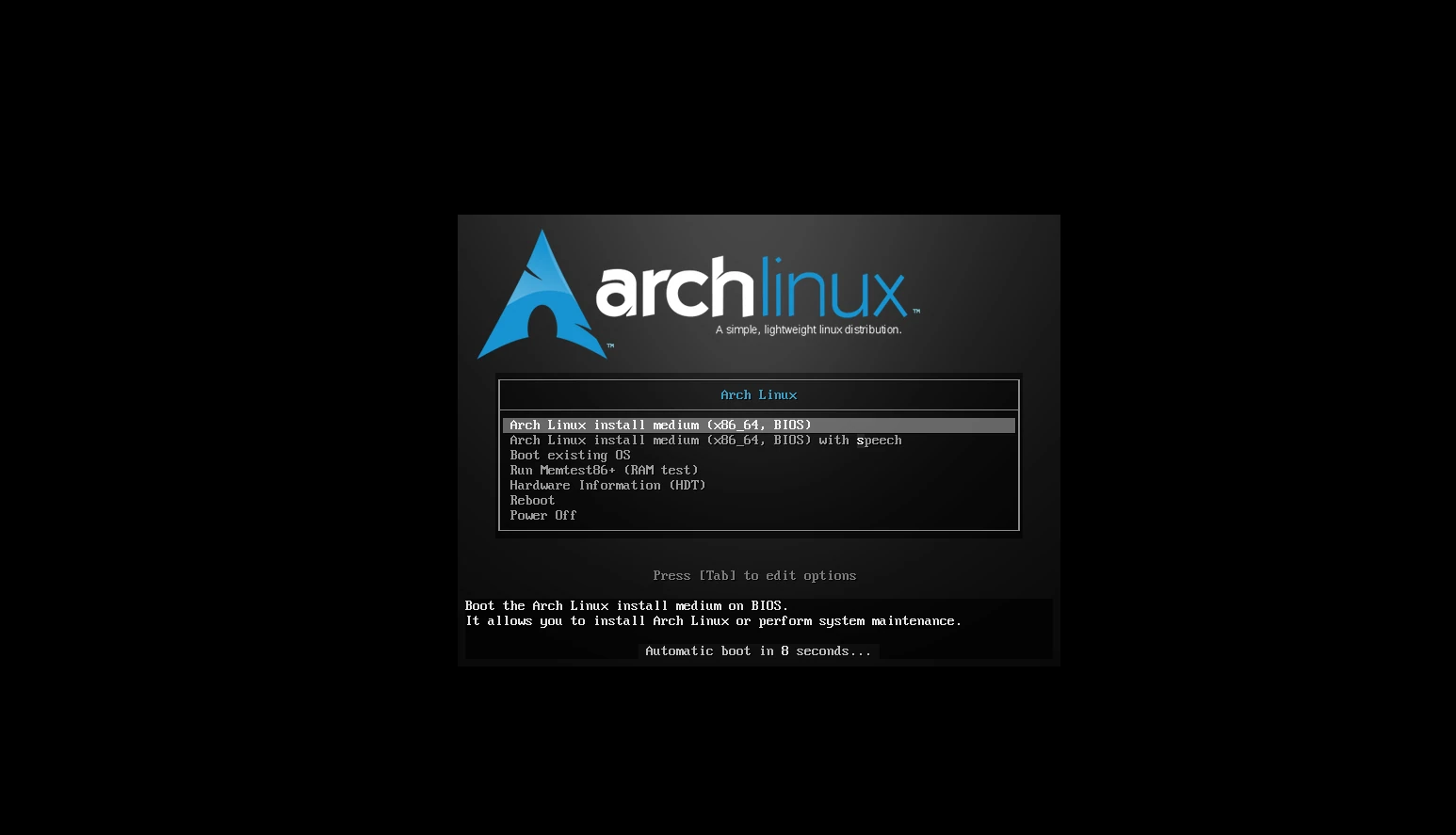
GRUB 2.14 Bootloader Released: Major Security and Performance Upgrades with EROFS, Argon2, and TPM 2.0 Support
106views
The GNU Project has officially released GRUB 2.14, the latest stable version of its multiboot bootloader, marking a significant advancement in Linux boot security and filesystem compatibility. After more than two years of development since version 2.12, this release introduces critical features that modernize secure boot capabilities, enhance disk encryption, and improve support for containerized workloads.
What’s New in GRUB 2.14
Enhanced Security with TPM 2.0 Key Protector Support
One of the most significant additions in GRUB 2.14 is native support for the TPM 2.0 (Trusted Platform Module) key protector mechanism. This feature enables automatic unlocking of encrypted partitions during the boot process using keys securely stored in the TPM hardware, eliminating the need for manual password entry at each boot.
The TPM2 key protector allows users to avoid typing passwords to unlock encrypted disks, streamlining the boot experience while maintaining robust security through hardware-based key storage. This implementation represents a major step forward for enterprise environments implementing measured or verified boot policies.
Key Benefits:
Automatic disk unlocking without password prompts.
Hardware-based security through TPM integration.
Enhanced protection against unauthorized boot modifications.
Seamless integration with secure boot chains.
Argon2 Key Derivation Function (KDF) Support
GRUB 2.14 introduces support for the Argon2 key derivation function, a memory-hard algorithm that provides superior protection against brute-force attacks compared to older methods like PBKDF2. This allows GRUB to manage passwords more robustly to protect boot menus and sensitive configurations.
Argon2 is the default KDF for LUKS2 disk encryption and is widely recognized as the modern standard for password hashing. Organizations implementing strict access controls for boot parameters or specific system entries will find this enhancement particularly valuable.
Why Argon2 Matters
Resistance to GPU-based brute-force attacks
Memory-hard algorithm increases attack costs.
Industry-standard security for modern encryption.
Better protection for boot menu passwords.
EROFS Filesystem Support for Container Workloads
The Enhanced Read-Only File System (EROFS) is now supported in GRUB 2.14. EROFS is a lightweight yet high performance read-only file system designed for use in container images or embedded devices.
Originally developed by Huawei and now maintained by an open-source community, EROFS has become increasingly important in cloud-native environments. It provides content-addressable chunk-based container image solutions with lazy pulling features to accelerate container startup speed.
Additional Major Features in GRUB 2.14
Shim Loader Protocol Support
For improved secure boot integration, GRUB 2.14 now utilizes the shim loader protocol for image verification when available. This provides a more standardized boot process, as subsequent bootloaders no longer require custom code to handle shim’s verification specifically.
LVM and Btrfs Enhancements
The release introduces several storage-related improvements:
LVM LV Integrity Support:
Verifies data integrity when reading from disk, ensuring corrupted data is detected immediately.
LVM Cachevol Support:
Enables caching of frequently accessed data from slower devices (HDDs) to faster storage (SSDs).
Btrfs Environment Block:
Stores GRUB environment variables inside the Btrfs header, preserving settings and state across reboots.
Unified Kernel Image (UKI) and Boot Loader Specification (BLS)
GRUB 2.14 adds two new commands to support modern boot configuration approaches:
- uki command: Loads Unified Kernel Images, which combine a UEFI boot stub, Linux kernel image, initrd, and additional resources into a single PE file.
- blscfg command: Parses Boot Loader Specification snippets for standardized boot entry management.
add a comment


How to Set Up Automated Incremental Backups with rsync and Cron on Linux
Data loss is one of the most disruptive events a system administrator or Linux user can experience. Hard drives fail....

How to Automate Daily Linux Health Checks with a Bash Script + Cron
Introduction Every Linux server runs silently in the background, accumulating usage, filling disks, crashing services, and building up memory pressure...

Pangolin 1.17 Tunneled Reverse Proxy Adds Multiple Roles per User
Pangolin an open-source, self-hosted identity-based remote access platform that blends a tunneled reverse proxy with zero-trust VPN-style access has released...

Pidgin 3.0 Messaging Client Moves from Experimental Build to Alpha
Pidgin—the classic messaging client many users still remember—is very much alive. More than a year after its first experimental 3.0...